


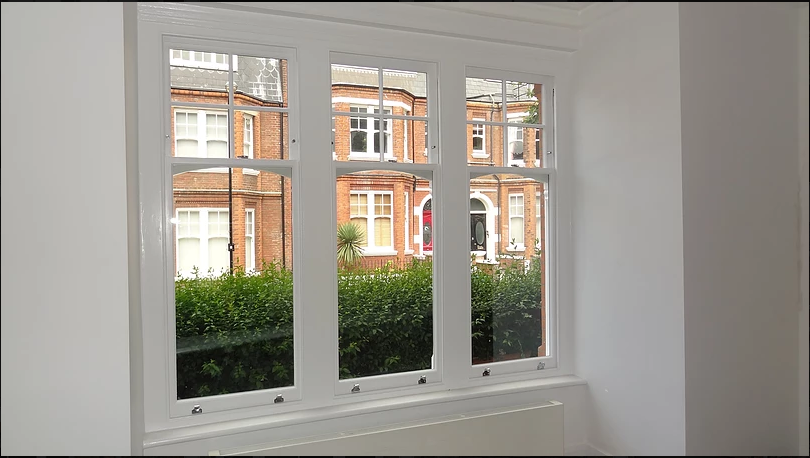
Professional sash window refurbishment is a detailed, skilled process designed to restore original wooden sash windows to full working order while preserving their character. Rather than replacing historic windows unnecessarily, refurbishment focuses on repairing, upgrading, and improving performance so windows function as they were intended to for decades to come.
Below is a clear breakdown of how professional sash window refurbishment is typically carried out.
Initial inspection and assessment
The process begins with a thorough inspection of each sash window. This includes checking the condition of the timber, sash cords, pulleys, glazing, joints, and paintwork. Common issues such as rot, rattling, draughts, broken cords, or stiff operation are identified at this stage.
This assessment allows specialists to determine what repairs are required and whether refurbishment is the most appropriate solution, rather than full replacement.
Careful removal of the sashes
Once agreed, the window sashes are carefully removed from the frame. This allows access to internal components such as sash cords, weights, pulley wheels, parting beads, and staff beads. Removing the sashes also makes it possible to carry out repairs properly rather than applying temporary fixes.
Each sash is handled individually to ensure nothing is damaged during the process.
Timber repairs and restoration
Damaged or rotten timber sections are repaired using traditional joinery techniques. Rather than replacing entire windows, only affected areas are carefully cut out and replaced with matching timber. This maintains the integrity of the original window while restoring its strength and appearance.
Loose joints are tightened, damaged glazing bars repaired, and any previous poor repairs corrected.
Sash cord replacement and rebalancing
Old or broken sash cords are removed and replaced with new, durable cords. The sash weights are checked and adjusted so the windows are correctly balanced. This ensures the sashes open and close smoothly, stay in position, and operate safely.
Pulley wheels are serviced or replaced where necessary to restore effortless movement.
Draught proofing and sealing
One of the most important stages of refurbishment is draught proofing. Discrete brush pile seals are installed within new timber staff beads and parting beads. These seals significantly reduce draughts, rattles, and noise while improving heat retention.
Draught proofing transforms the comfort and energy efficiency of sash windows without altering their appearance.
Repairs to hardware and ironmongery
Locks, catches, lifts, and fasteners are repaired or replaced as required. Period-appropriate fittings are used to maintain the style of the window while ensuring security and ease of use.
Preparation and redecoration
Once repairs are complete, the windows are fully prepared for redecoration. Old paint is removed where necessary, surfaces are primed, and windows are repainted to protect the timber and provide a clean, finished appearance.
This stage not only improves aesthetics but also plays a vital role in long-term durability.
Final refitting and testing
The refurbished sashes are refitted into the frames and tested thoroughly. Windows are checked for smooth operation, correct alignment, effective draught sealing, and overall finish. Any final adjustments are made to ensure optimal performance.
Long-term benefits of professional refurbishment
A properly refurbished sash window should be rattle-free, draught-proof, and easy to operate while retaining its original charm. Refurbishment extends the lifespan of wooden sash windows, improves energy efficiency, and helps maintain the character of period and conservation properties.
Specialist companies such as Mortice & Green focus on skilled workmanship and traditional methods to achieve these results. Professional sash window refurbishment is an investment in both performance and heritage. When carried out correctly, it allows original windows to continue serving their purpose while meeting the comfort expectations of modern living.