


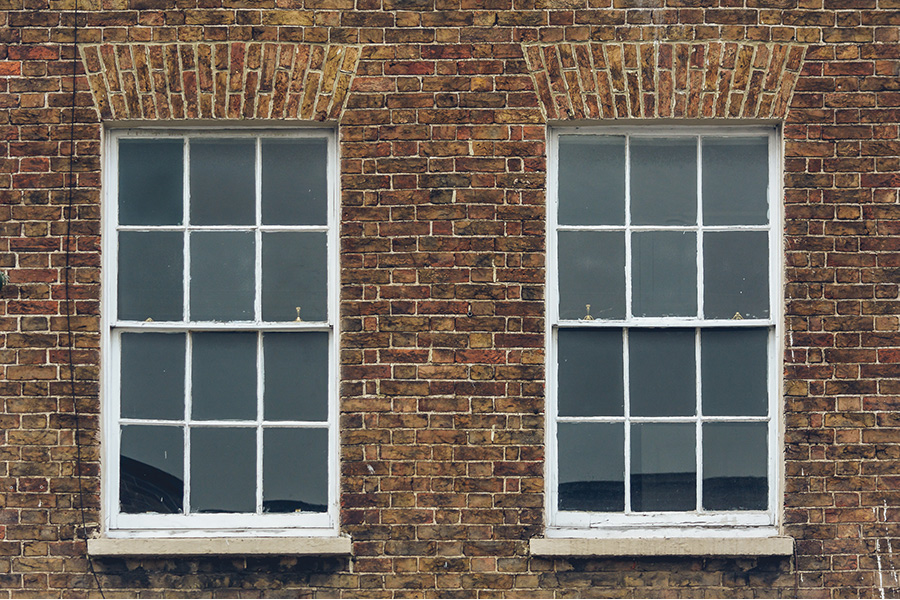
Getting sash windows ready for winter starts with checking their condition, identifying unwanted draughts and addressing problems with the timber, glazing and moving parts. In many cases, carefully planned repairs can improve comfort while retaining the proportions and details that give original windows their appeal.
Cold air around a window does not automatically mean the whole unit needs replacing. Worn seals, poorly fitting sashes, damaged putty or deteriorating timber may each require a different response.
At Mortice & Green, we have been repairing, renovating and manufacturing wooden windows since 1994. As an independent, family-run company serving London and the surrounding areas, we help homeowners understand what their windows need before recommending repairs, refurbishment or replacement.
Start With How Each Window Performs
Before winter arrives, take time to notice how your windows behave. One may open smoothly but rattle in the wind, while another may stick or feel unusually heavy.
Check for visible gaps, peeling paint, cracked glazing putty and signs of moisture around the sill. Look at accessible areas from inside or ground level, without leaning out or attempting to reach difficult external surfaces.
It helps to make a short list for each room. Record where you notice draughts, whether the window closes fully and any changes following wet weather.
This gives a specialist useful information and helps distinguish isolated faults from problems affecting the whole window. A room-by-room assessment can also help you prioritise work if you are planning improvements in stages.
Address Draughts Without Sealing the Window Shut
Draught proofing can reduce unwanted air movement through gaps around the moving sashes. The work should preserve the window’s ability to open and close properly.
Applying sealant indiscriminately or painting across moving joints can create further problems. A window that has been sealed shut loses its intended function and may become more difficult to repair later.
Mortice & Green incorporates discreet brush-pile draught proofing within replacement parting and staff beads as part of its renovation service. These components sit around the sashes, allowing the work to be integrated into the window’s existing appearance.
Draught proofing should also be considered alongside the home’s ventilation arrangements. Reducing uncontrolled draughts is useful, but rooms still need suitable ventilation.
Repair Damaged Timber Before Focusing on Decoration
Fresh paint can improve a window’s appearance, but it cannot resolve deterioration underneath.
If you notice flaking paint, open joints or visible damage around the sill and lower sections of the frame, arrange an assessment before simply repainting. These areas may need preparation and timber repairs first.
Localised deterioration does not necessarily require a complete replacement window. Depending on its extent and the condition of the surrounding material, a specialist may be able to retain sound timber and repair the affected section.
Mortice & Green’s restorative joiners assess wooden windows with repair and retention in mind. Understanding the condition of the existing structure helps establish what can be preserved and where replacement material is needed.
Check Cords, Pulleys and Balance
Winter preparation should include how the window operates, not just how it looks.
A sash that drops, refuses to stay open or feels difficult to lift may have a problem with its cords, pulleys or balance. These faults deserve attention rather than being managed with improvised props or by forcing the window.
Properly functioning components make it easier to open the window when needed and close it securely afterwards.
Mortice & Green’s refurbishment work can include replacing sash cords, rebalancing the sashes and addressing worn fittings. The appropriate scope depends on the inspection, but restoring movement is an important part of bringing an older window back into useful condition.
Look Closely at Glazing and Putty
The condition of the glazing and its surrounding putty can affect how well a window keeps out the weather.
Cracked panes, loose glazing or deteriorated putty should be assessed before decorating. Water staining around a window also deserves investigation, because the source may not be the most obvious visible gap.
Avoid assuming that every damp patch is caused by condensation or that every draught comes through the glass. The junctions between materials, the fit of the sashes and the condition of the frame all need consideration.
A careful inspection helps target the actual problem and prevents cosmetic work from concealing something that still needs repair.
Preserve the Details That Give the Window Its Character
The character of a sash window comes from more than its overall shape. Glazing bars, frame profiles, meeting rails and the relationship between the upper and lower sashes all contribute to its appearance.
When repairs are proposed, discuss which original elements can remain and how any replacement sections will relate to them.
Hardware deserves similar attention. Locks, catches and other fittings should work properly while remaining appropriate to the window.
For listed buildings or homes in conservation areas, establish any relevant consent requirements before commissioning alterations. Do not assume that a particular upgrade is acceptable simply because it appears visually discreet.
Consider Double Glazing as a Separate Decision
Draught proofing and double glazing address different aspects of window performance. Draught proofing tackles unwanted air movement around gaps, while double glazing changes the glazing specification.
It is worth understanding the condition and suitability of the existing windows before deciding whether to combine these improvements.
Mortice & Green offers the upgrading of suitable existing sash windows to double glazing, alongside bespoke replacement windows. An assessment is needed to establish what is appropriate for the particular frame, its proportions and any conservation requirements.
This allows you to compare options without assuming that improved winter comfort must involve removing every original window.
Plan Redecoration Around the Repair Work
Once repairs have been agreed, decoration should follow in the correct sequence.
Preparation, suitable materials and appropriate drying conditions all influence the finish. Painting over damp or deteriorating surfaces can leave the underlying problem unresolved.
Discuss the programme with your contractor, particularly when external work is planned during colder or wetter months. Weather conditions may affect when particular tasks can be completed.
Mortice & Green can combine window renovation with internal and external redecoration. Coordinating these stages helps ensure the finished appearance supports the repair work rather than concealing defects beneath it.
Prepare Your Sash Windows With Mortice & Green
Original sash windows can often be improved through a combination of targeted repairs, draught proofing and careful refurbishment. The right approach starts with their individual condition and keeps both comfort and architectural character in view.
Mortice & Green’s small team of restorative joiners works across London and the surrounding areas, helping homeowners maintain, renovate and, where necessary, replace wooden windows. Call 020 7118 9191 to arrange a free, no-obligation quotation and discuss getting your sash windows ready for winter.