


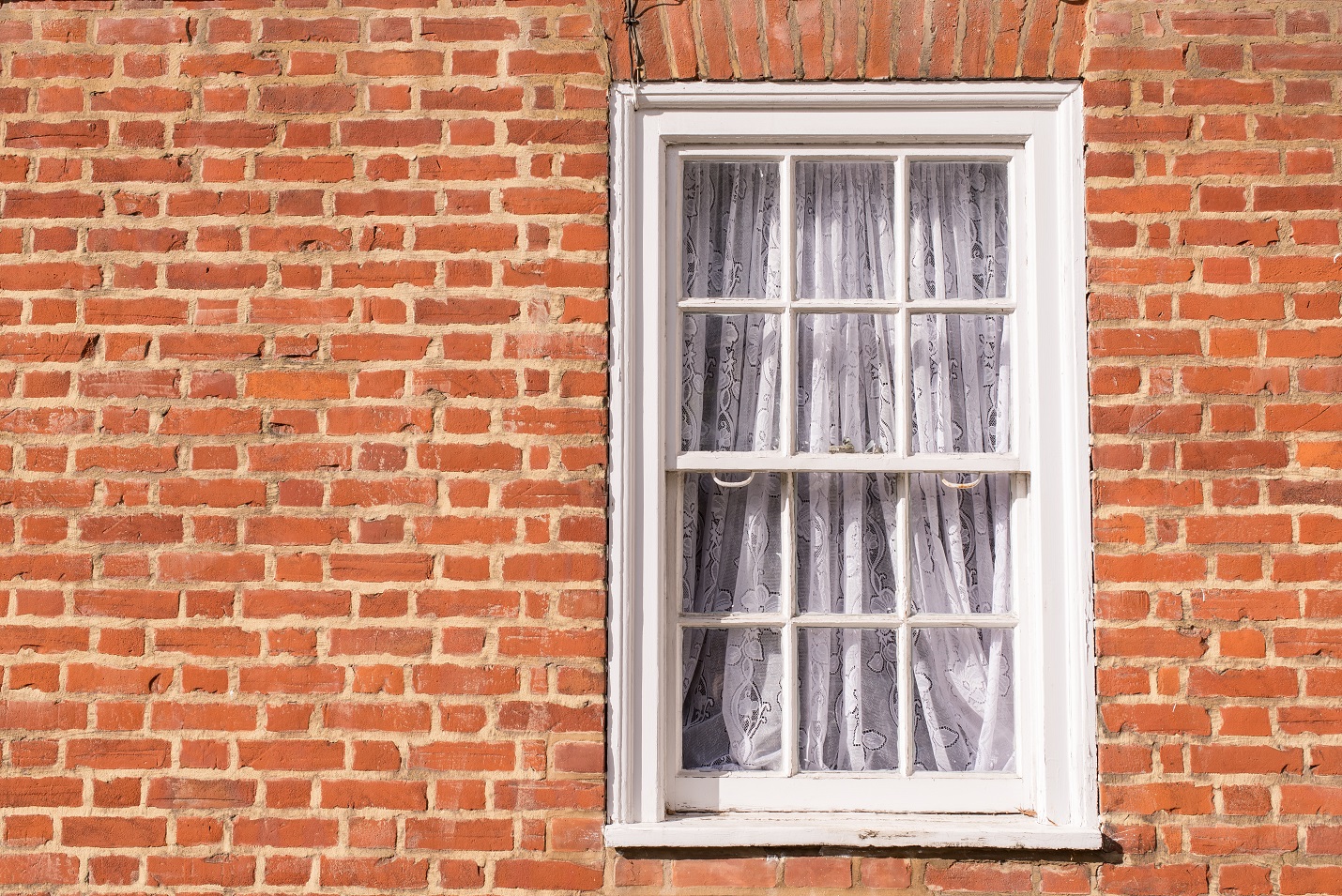
Conservation areas play an important role in preserving the architectural character and historical significance of Britain's towns, villages, and cities. Many of these areas feature period properties with original sash windows that contribute significantly to their appearance and heritage value.
For homeowners living in conservation areas, maintaining these traditional features is often a key consideration when carrying out renovations. While replacing ageing windows may seem like the easiest solution, restoration is frequently the preferred option for both homeowners and local planning authorities.
In this guide, we explore why restored sash windows are often favoured in conservation areas and the benefits they offer for period properties.
What Is a Conservation Area?
A conservation area is a designated location recognised for its special architectural or historic interest. Local authorities aim to preserve or enhance the character of these areas by carefully managing changes to buildings and streetscapes. Properties within conservation areas are often subject to additional planning considerations, particularly when it comes to external alterations. This can include changes to:- Windows
- Doors
- Roofing
- External finishes
- Extensions
Original Sash Windows Are Part of a Property's Character
Many homes within conservation areas were originally built with timber sash windows. These windows are often one of the defining architectural features of Georgian, Victorian, and Edwardian properties. Traditional sash windows contribute to a property's:- Historical authenticity
- Architectural character
- Visual appeal
- Heritage value
Restoration Preserves Historic Features
One of the main reasons conservation officers favour sash window restoration is that it preserves original craftsmanship and detailing. Many older sash windows contain features that are difficult to replicate perfectly, including:- Original timber mouldings
- Historic glazing bars
- Traditional joinery techniques
- Period ironmongery and fittings
Restored Sash Windows Can Perform Like New
A common misconception is that original sash windows are always inefficient. In reality, many issues associated with older windows can be resolved through refurbishment. Professional sash window restoration often includes:- Replacing worn sash cords
- Rebalancing the sashes
- Repairing damaged timber
- Replacing faulty hardware
- Installing draught proofing systems
- Improving operation and security
Draught Proofing Improves Energy Efficiency
One of the biggest concerns for homeowners is heat loss through older windows. Fortunately, sash window draught proofing can dramatically improve thermal performance while preserving the original appearance of the windows. Modern draught proofing systems use discreet brush seals integrated into the window framework to reduce:- Cold draughts
- Heat loss
- Noise penetration
- Window rattling
Restoration Is Often More Sustainable
Sustainability is becoming increasingly important in the construction and renovation industry. Restoring existing sash windows is often a more environmentally responsible option than full replacement because it:- Reduces waste
- Preserves existing materials
- Minimises landfill disposal
- Requires fewer new resources
Planning Approval Can Be Simpler
In conservation areas, obtaining approval for replacement windows can sometimes be challenging. Local authorities may require replacement windows to match the original design exactly, which can increase costs and complexity. Restoration work is often viewed more favourably because it preserves the existing historic fabric of the building. In many cases, repairing and refurbishing original sash windows can help homeowners avoid the complications associated with replacing them. However, requirements vary depending on the property and location, so professional advice should always be sought before carrying out any work.Restored Sash Windows Can Increase Property Value
Period property buyers often place significant value on original features. Well-maintained sash windows can enhance:- Kerb appeal
- Heritage value
- Buyer interest
- Overall property value
Modern Upgrades Without Losing Character
Today's restoration techniques allow homeowners to enjoy modern performance standards while retaining period charm. Depending on the property and planning requirements, upgrades may include:- Draught proofing
- Improved security features
- Slimline double glazing
- Timber repairs
- New sash cords and pulleys
- Decorative restoration