

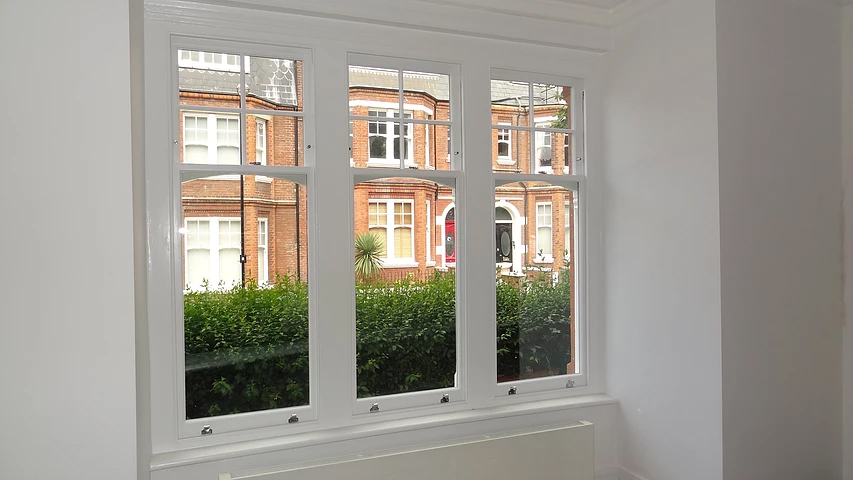
Double Glazing Existing Sash Windows in Kensington or Holland Park– What’s Possible in a Conservation Area?
If you own a period property in Kensington or Holland Park, you may be wondering whether it is possible to improve the energy efficiency of your existing sash windows without losing the character that makes the property special.
The good news is that double glazing existing sash windows can be possible, including in conservation areas, but the approach needs to be carefully considered. The age and construction of the windows, the architectural character of the property, whether the building is listed, and the specific conservation area requirements can all affect what work can be carried out.
For homeowners looking for Double Glazing Sash Windows in Holland Park, understanding the options before starting work is particularly important.
At Mortice & Green, we work with traditional timber sash windows and understand the importance of preserving their appearance while improving their performance.
Can you put double glazing into existing sash windows?
In some circumstances, yes. One approach is to retain the existing timber sash window frames and introduce specially designed slim double-glazed units. This can potentially improve insulation while retaining much of the appearance of the original window.
However, traditional sash windows were generally designed around single glazing. Modern double-glazed units are thicker and heavier than traditional panes, so they cannot simply be installed into every existing sash window. Factors that need to be considered include:
- The condition of the timber frame
- The depth and construction of the existing sashes
- The existing glazing bar arrangement
- The weight of the proposed glass
- The condition of the sash cords and pulleys
- The available space within the existing rebates
- The position of shutters or other internal features
- The appearance of the proposed glazing from outside
A specialist assessment can therefore establish whether the existing window is suitable for slim double glazing or whether another approach would be more appropriate.
Double glazing sash windows in Holland Park
Holland Park contains many period properties with traditional timber windows, and window alterations can therefore require particular care.
The council has specifically considered ways of making certain window improvements easier for listed buildings in the Holland Park, Pembridge and Queen’s Gate Conservation Areas. Its proposed Local Listed Building Consent Order has included the possibility of installing double-glazed sealed units within existing frames, subject to specific conditions.
This is an important development for homeowners considering Double Glazing Sash Windows in Holland Park, but it should not be interpreted as blanket permission for every property.
The applicable requirements depend on the building and the nature of the proposed work. In particular, listed buildings have additional controls that need to be considered separately. Before making changes, it is therefore sensible to establish:
- Whether the property is in a conservation area.
- Whether the property is individually listed.
- Which conservation area the property falls within.
- Whether the proposed work qualifies under any applicable consent or planning provisions.
- Whether the existing sash windows can technically accommodate the proposed glazing.
What if the existing sash windows are in good condition?
If your existing timber sash windows are structurally sound, replacing them may not be necessary. A specialist repair and draught-proofing service can often address common problems such as:
- Draughts around the sashes
- Sticking or rattling windows
- Worn sash cords
- Damaged pulleys
- Loose joints
- Deteriorated putty
- Flaking or failed paint
- Minor timber deterioration
In some cases, improving the existing windows may provide a substantial improvement in comfort without changing their historic appearance.
This is particularly relevant to wooden windows conservation, where retaining original fabric can be an important consideration.
What is involved in upgrading an existing sash window to double glazing?
Where double glazing is appropriate, the work needs to be carefully planned. The first step is to inspect the existing window and determine whether the frame and sashes are suitable. If the window is structurally sound, the existing sashes may potentially be adapted to accept slim double-glazed units. This can involve carefully removing the existing glass, preparing the glazing rebates and making any necessary adjustments to accommodate the new units.
The weight of the new glazing also needs to be considered. Traditional sash windows operate using a carefully balanced system of weights, cords and pulleys. Adding heavier glazing can affect this balance, meaning that the counterweights and sash mechanism may need to be adjusted. This is one reason why installing double glazing into traditional sash windows is not simply a case of replacing one pane of glass with another.
Slim double glazing vs traditional single glazing
Slim double-glazed units are designed specifically for situations where space is limited. They can offer improved thermal performance compared with traditional single glazing while taking up less space than standard modern double-glazed units. However, there is always a balance between thermal performance, appearance, weight and compatibility with the existing window.
For a historic property, the thinnest available glass is not automatically the right solution. The glazing needs to work with the proportions and construction of the sash window. The visual details matter too. RBKC conservation guidance has highlighted concerns around inappropriate glazing bars and notes that attempts to replicate historic glazing patterns using false glazing bars positioned between panes can be unacceptable in some historic contexts. This illustrates why the design of the glazing should be considered alongside the window frame rather than in isolation.
Wooden windows and conservation: why retaining the original frame matters
There is an important distinction between repairing an original timber sash window and replacing it with a completely new window.
Original timber windows can contain historic details that are difficult to reproduce exactly, including:
- Original glazing bars
- Timber profiles
- Sash horns
- Box frame details
- Traditional joinery
- Original proportions
- Historic paint finishes
RBKC’s conservation guidance specifically states that replacement window frames should match the original materials and has identified uPVC and aluminium frames as inappropriate for many historic properties.
This is why wooden window conservation is not simply about keeping an old window because it looks traditional. It is also about retaining the architectural details and materials that contribute to the character of the building.
Where an existing timber window can be repaired and upgraded, this can be an important alternative to complete replacement.
Do I need planning permission for double glazing in Kensington?
There is no single answer that applies to every property.
The requirements can depend on the property’s location, listed status, the nature of the proposed alterations and the relevant planning controls.
RBKC has also introduced a Local Development Order relating to windows in residential properties, with the intention of simplifying certain window changes where the replacement has a similar appearance to the existing window. The council’s information specifically notes that the order does not allow changing a wooden window to uPVC under that arrangement.
This is another reason to avoid assuming that a standard replacement window installation is automatically permitted.
If you are unsure, check the current requirements with the Royal Borough of Kensington and Chelsea or obtain appropriate planning advice before work begins.
Choosing the right approach for your Kensington sash windows
There is no single solution that works for every historic sash window. A Victorian sash in a later terrace may have very different proportions and glazing requirements from an early Georgian window. Similarly, a listed property may have different requirements from a non-listed home within the same conservation area.
The right approach should therefore consider both performance and preservation. For homeowners researching Double Glazing Sash Windows in Holland Park, the priority should be to understand what is technically possible for the existing windows and what is appropriate for the individual property.
For those researching wooden windows conservation, retaining and repairing original timber where possible can also be an important part of protecting the character of a period home.
Expert sash window repairs and upgrades in Kensington
At Mortice & Green, we specialise in the repair and restoration of traditional sash windows. We can assess the condition of your existing timber windows and discuss options for improving their performance while respecting their original character. Depending on the condition and construction of your windows, this may include sash window repairs, draught proofing, timber repairs and advice on glazing options.
If you own a period property in Kensington, Holland Park or the surrounding areas and are considering upgrading your sash windows, we recommend assessing the existing windows before deciding whether replacement or double glazing is the right solution. Contact Mortice & Green to discuss your sash windows and find out what options may be suitable for your property.